Cheap-rate charging
Charge overnight on an off-peak or time-of-use tariff and run the house from the battery during the expensive hours. The saving is the spread between the two rates, multiplied by how much you can shift.
Up to £15,000 · Standalone batteries included
This is the detail most people miss. The Warm Homes Loan Scheme rules cover both standalone battery installations and those paired with solar PV. You do not need to install panels at the same time, and you do not need to already have them.
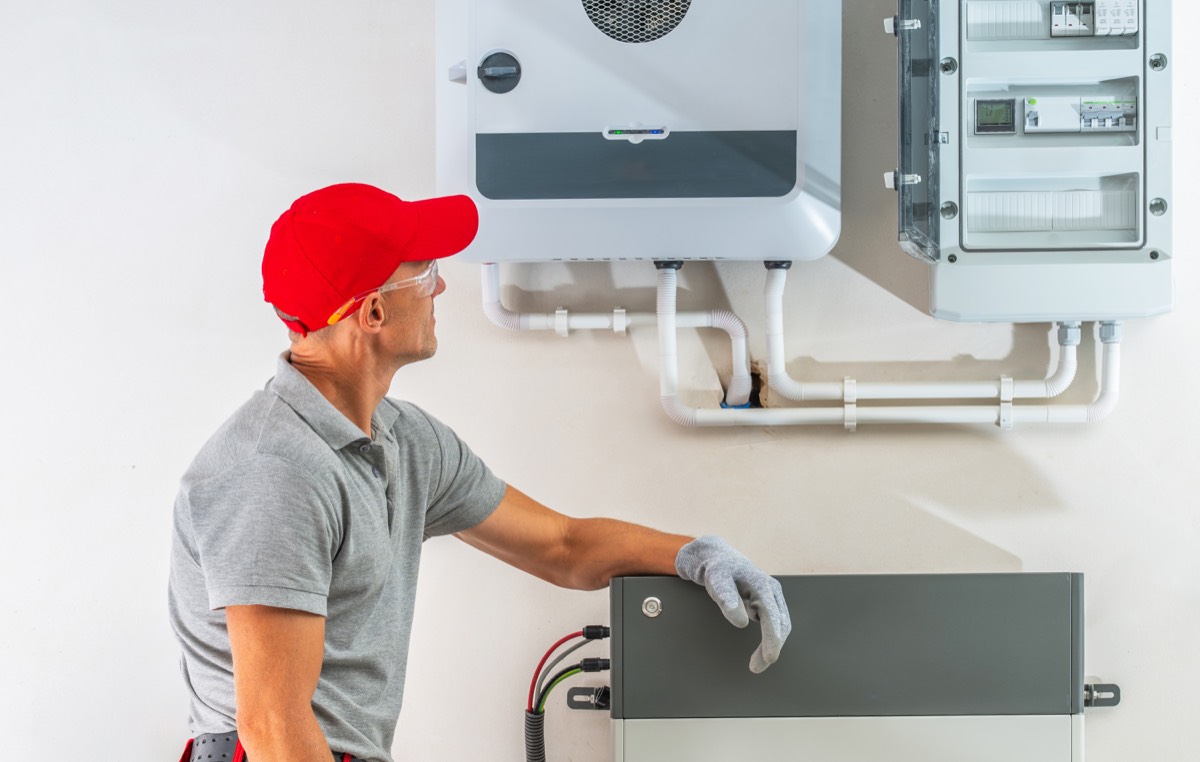
Battery storage is a measure in its own right under this scheme, with its own £15,000 cap. The eligible-measures table describes electrical battery storage as covering both standalone battery installations and those paired with solar PV. There is no requirement to pair it with generation.
That matters because several existing schemes treat a battery as an add-on to solar rather than a measure you can fund by itself. Green Homes Wales, for instance, supports battery storage as part of a solar PV system rather than as a standalone measure, and it excludes landlord-owned properties. The Warm Homes Loan Scheme does neither: a battery alone qualifies, and private landlords can borrow.
Comparison based on published scheme criteria as at 31 October 2026. Green Homes Wales is a separate scheme run by the Development Bank of Wales — check its own terms before relying on this comparison.
A battery does not generate anything. What it does is shift when you buy electricity. On the right tariff, that is worth real money — and it is why battery-only is a genuine proposition, not a consolation prize.
Charge overnight on an off-peak or time-of-use tariff and run the house from the battery during the expensive hours. The saving is the spread between the two rates, multiplied by how much you can shift.
With suitable equipment and a backup circuit, a battery can keep essentials running through an outage. Worth asking about if you are rural, medically dependent on equipment, or work from home.
Fit the battery now under this cap, add panels later under the separate solar cap. The rules explicitly allow adding solar to an existing setup, and a battery quote can include integration with PV if it is already present.
A battery-only install pays for itself through tariff arbitrage, so the numbers depend heavily on your tariff, your daily usage pattern and how much of it you can actually shift. For a low-usage household on a flat tariff, the case is weak and we will say so. For a high-usage household on a time-of-use tariff — especially with an EV — it can be strong. We would rather lose the sale than install something that disappoints you for the next decade.
Send us your tariff and a rough idea of your usage. We will tell you honestly whether the numbers work.
Not just annual kWh — when you use it. Half-hourly data from your smart meter is ideal. Without it we work from occupancy, heating type, EV charging and appliances.
Off-peak window length and price spread drive the economics of a battery-only install. Some tariffs make a larger battery obviously worthwhile; others do not.
Consumer unit capacity, earthing arrangement, available space, ventilation, cable routes, and whether a backup circuit is practical.
Itemised, with our MCS number and the system size, so your Warm Homes Loan application is not sent back for paperwork.
Free, no-obligation
Battery-only retrofit, or solar and battery together — tell us what you are considering and we will come back with real numbers for your home.
Prefer to talk it through? Email [email protected].